

- by Luke Wolfe
- October 30, 2026
- Vintage reports
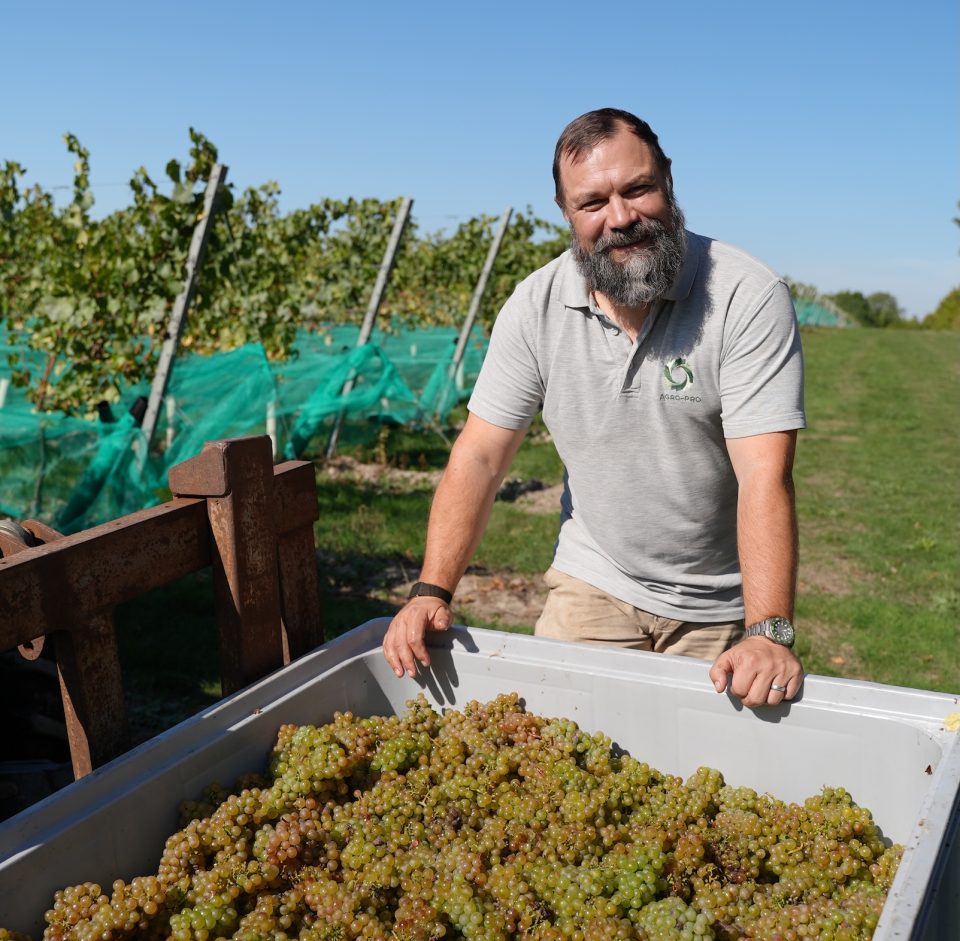
The 2026 growing season at Whitewolfe will be remembered for its fast pace, prolonged heat and, perhaps most significantly, the questions it left unanswered. What initially appeared to be a promising early vintage developed into one of the more thought-provoking seasons we have experienced. Despite healthy vines, favourable growing conditions and an unprecedented accumulation of heat, achieving the balance of flavour, sugar and acidity required for our Chardonnay proved considerably more challenging than anticipated. It was a humbling reminder of how quickly a season can change, and how much there remains to learn.
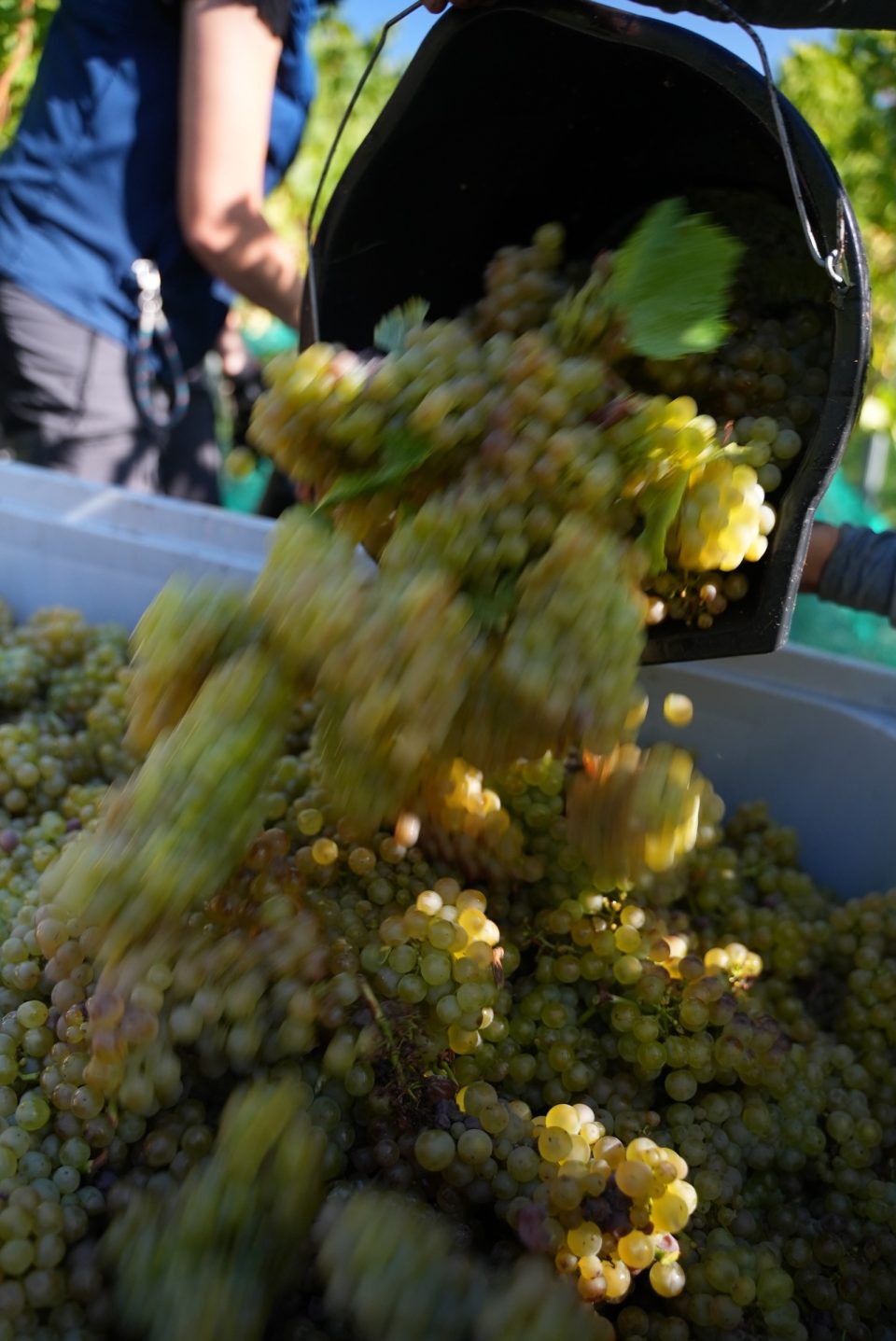
Budburst began in early April, exposing Whitewolfe to its first recorded spring frost damage. Approximately 10% of the crop was affected, predominantly in the lower-lying areas and natural depressions where cold air naturally accumulates. Although disappointing, the damage was relatively localised, and we chose not to harvest fruit from the affected areas. As temperatures increased through May, the vineyard quickly recovered its momentum, with flowering beginning in early June, several weeks ahead of what we normally experience. What followed was a period of almost relentless growth. Between May and July, keeping pace with canopy development became a considerable operational challenge. The difficulty was not simply the volume of work, but ensuring that each task was completed at the right time.
Small delays can have consequences later in the season, and the speed of development left little room for manoeuvre. The use of foliage-wire spreaders proved particularly valuable, buying us additional time without compromising canopy structure or vine development.
Despite the prolonged absence of rainfall, the vines showed remarkably little evidence of water stress. Canopies remained healthy, with continued lateral growth even as the surrounding vegetation slowed considerably. We believe the estate’s chalk soils, supported by years of investment in organic matter and soil structure, played an important role in maintaining vine function. Cultivation was deliberately reduced to conserve moisture, while limited grass and weed growth reduced the need for machinery passes. It was encouraging to see the vineyard respond so well to such an extended dry period.
One challenge that the weather did little to alleviate was powdery mildew. We had hoped that the sustained heat and dry conditions might reduce pressure, but this proved optimistic. Humidity remained sufficient for the disease to persist, with isolated infections developing in areas that have increasingly become recognised hotspots. Earlier treatments appeared to provide some benefit, but controlling powdery mildew required considerable attention and resources. The experience has also raised questions about canopy density in blocks managed for sparkling wine, where retaining additional leaf area can create a more favourable environment for infection.
Our approach to canopy management was therefore particularly important. Mechanical leaf removal shortly after flowering was followed several weeks later by comprehensive manual stripping of the fruit zone. Beyond improving airflow and spray penetration, the early, progressive exposure allowed berries to acclimatise to increasing sunlight, and despite periods of intense summer heat, sunburn was limited. With the season advancing so quickly, we also made a conscious decision to restrict green harvesting. As in 2025, the intention was to moderate sugar accumulation and extend the period available for flavour and phenolic development. Our ambition is not simply to achieve ripeness as early as possible, but to produce Chardonnay with concentration, natural freshness and moderate alcohol that delivers an energy and minerality to the wines. In a season developing at such speed, maintaining that balance was already becoming a concern.
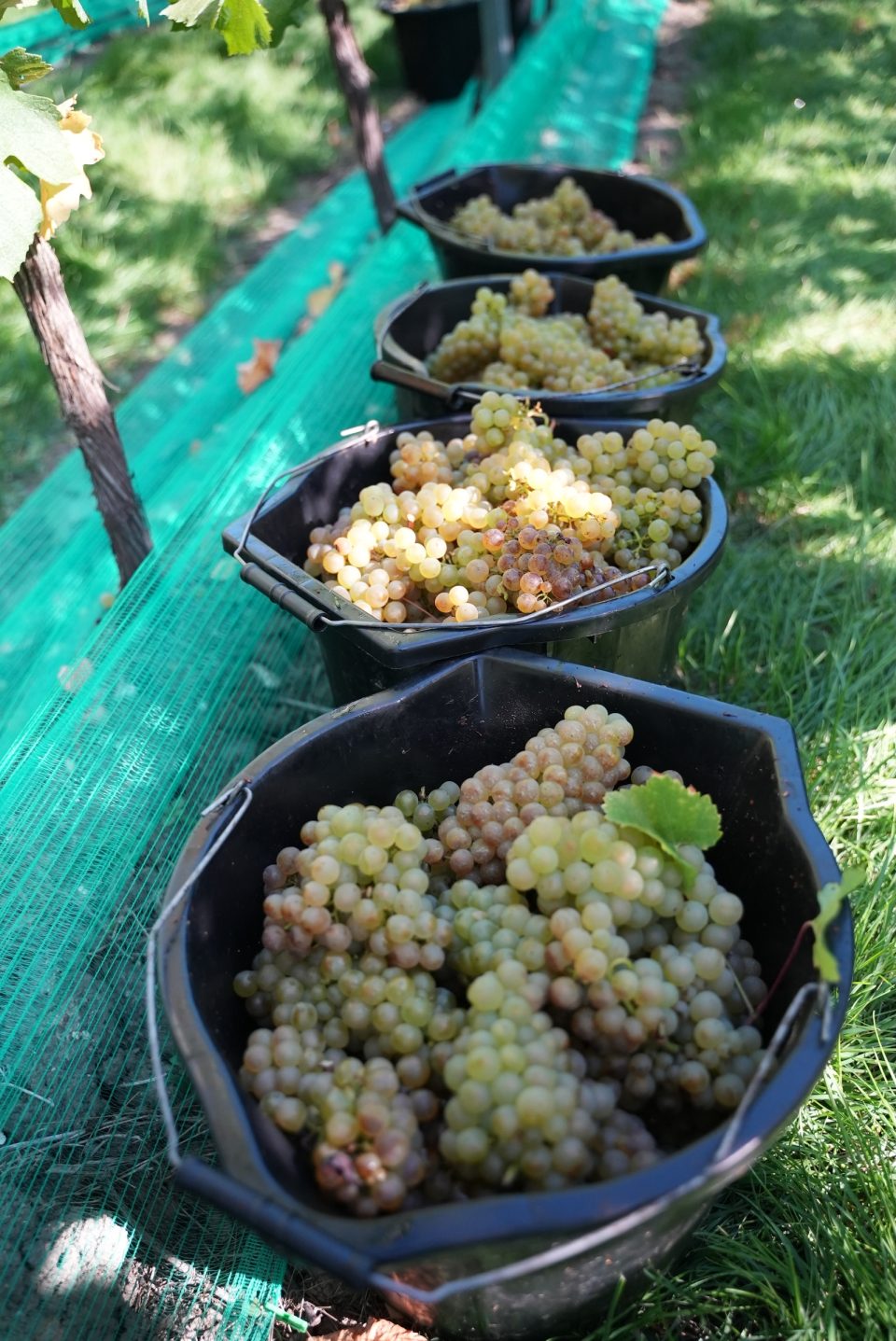
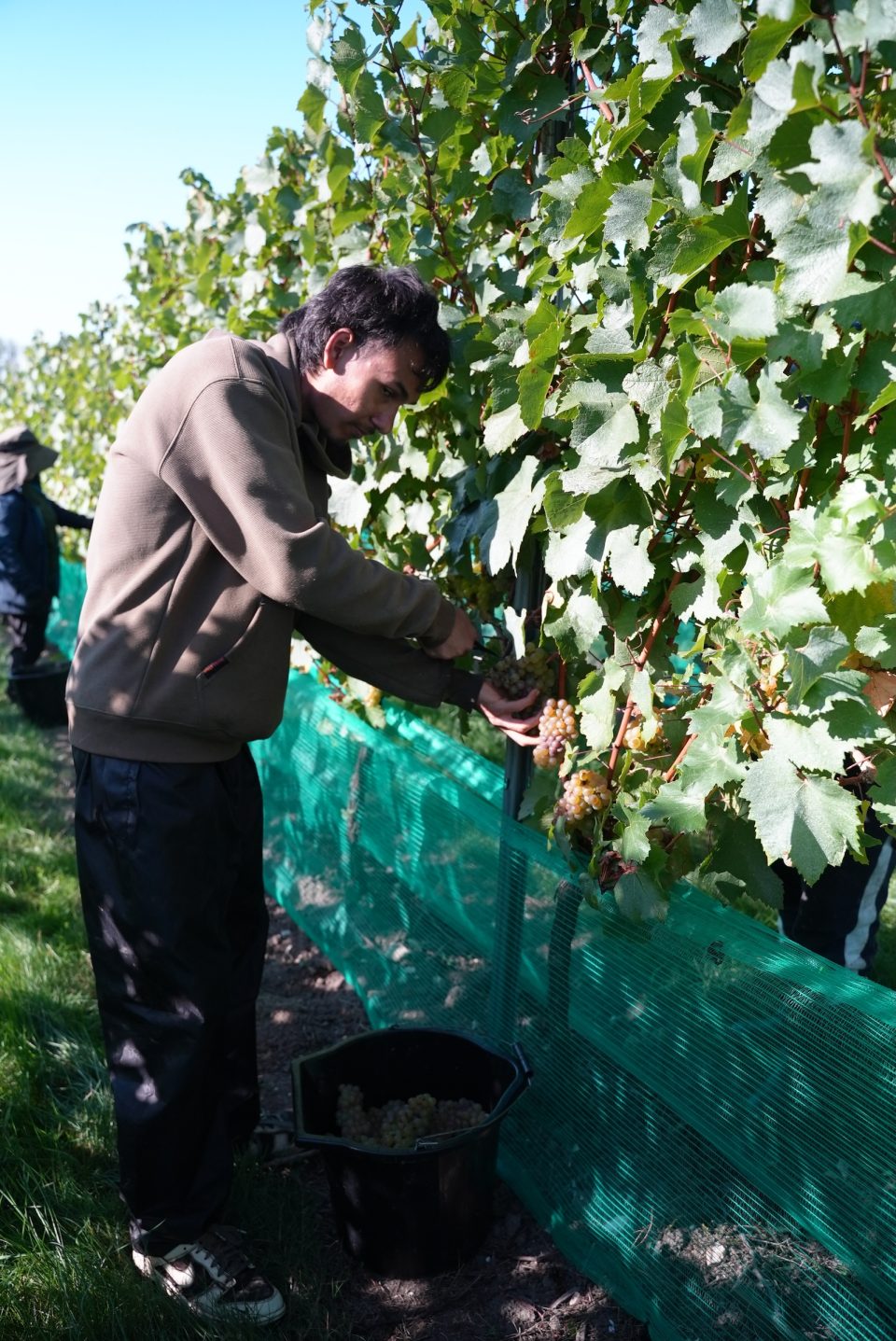
Véraison began towards the end of July and into early August. By mid-August, the fruit was showing advanced physiological maturity, with brown seeds and clear signs of ripening. Yet tasting the grapes told a different story. Flavour concentration had not developed at the same pace, and differences between exposed and shaded bunches were more pronounced than we would normally expect. Although these differences gradually narrowed, it became increasingly apparent that the familiar relationship between physiological maturity, sugar accumulation and flavour development was not following its usual pattern. The return of rainfall in late August and early September complicated matters considerably. Bunches swelled rapidly, in some clones increasing in weight by more than 25%, and the resulting dilution was unmistakable when tasting the fruit.
For almost two weeks, the concentration we had been working towards appeared to have been lost. Gradually, bunch weights began to reduce and flavour intensity returned, but by then another, more concerning problem had emerged.
Acidity was falling to levels we had never previously experienced at Whitewolfe. Whether this was primarily the result of accelerated ripening, increased malic acid degradation during periods of extreme heat, dilution following rainfall or a combination of factors remains uncertain. What was clear was that we were running out of time. The fruit needed longer to develop the flavour concentration we wanted, yet each additional day appeared to be compromising the natural acidity essential to our intended wine style.
This presented one of the most difficult harvest decisions we have faced. Malolactic fermentation plays an important role in developing the texture and character of our wines, and preserving sufficient natural acidity to accommodate this process was a major consideration. With further heavy rainfall forecast, the risk of additional dilution also had to be weighed against the potential benefit of extended hangtime. Ultimately, we felt the greater risk lay in waiting.
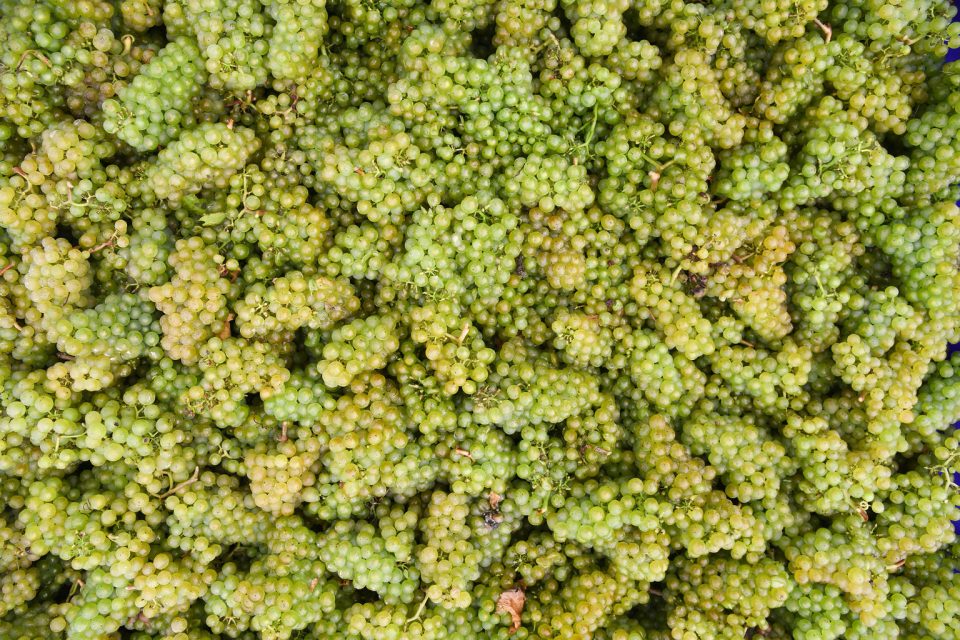
Harvest began on 10th September, our earliest to date, and concluded on 30th September. To challenge our own judgement, we deliberately retained a small parcel for another week. Although flavours continued to develop, acidity declined further and the fruit lacked the length and balance we had hoped the additional time would provide. The exercise reinforced our decision
Perhaps the greatest challenge emerging from 2026 is how we preserve natural acidity while allowing sufficient time for flavour development, without encouraging excessive sugar accumulation or increasing disease pressure. There is no obvious solution, and it is a question we intend to explore further with fellow viticulturists both at home and abroad. As Whitewolfe develops vineyards across different soils, aspects and elevations, these variations may also provide greater flexibility in how we approach future seasons.
The pace of change in our climate is increasingly challenging established expectations of cool-climate viticulture. Historical data and experience remain invaluable, but the relationships we have come to rely upon are becoming less predictable. For me, 2026 was a reminder that even when we believe we understand our vineyard, nature has a way of challenging that confidence. It is this uncertainty, and the constant need to observe, question and adapt, that makes growing fine wine both demanding and rewarding.
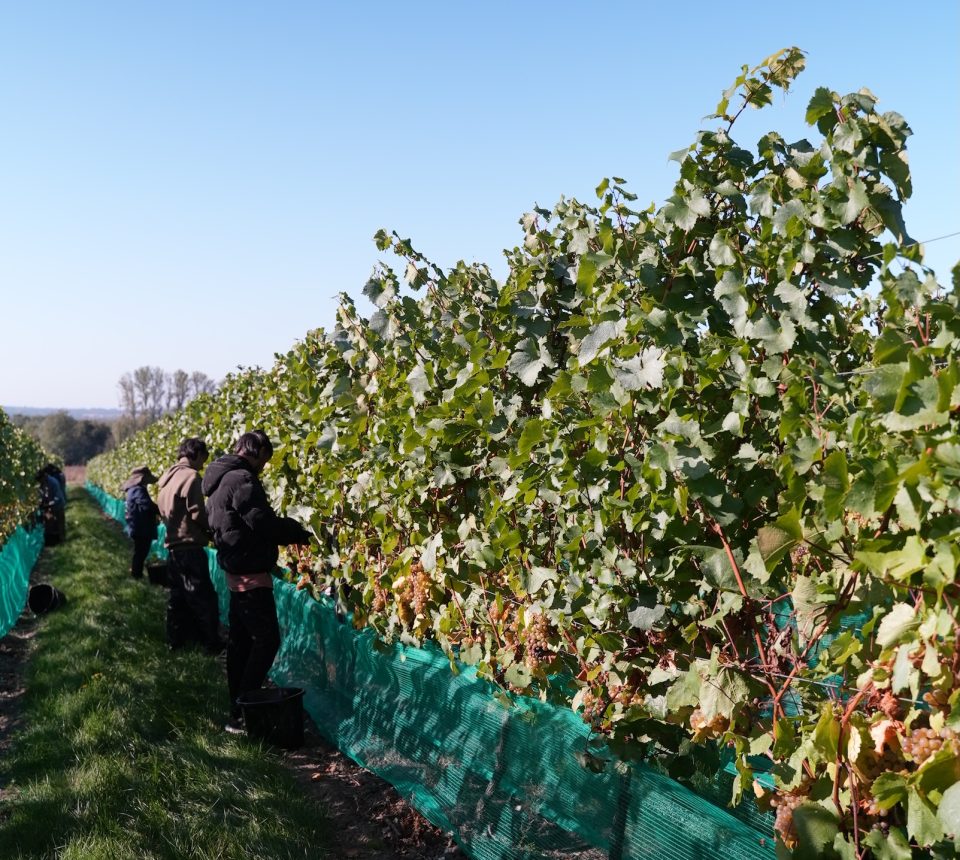
We now look to the winery where the grapes are fermenting and whilst the growing season was challenging we are excited to see what emerges from the barrels.
